✨ New Arrivals Just Dropped!Explore
HomeStore
Dufay, Mouton, Palestrina: In Spiritum: Music for Cello and Bandoneon / Bracalente, Bonaventura
Dufay, Mouton, Palestrina: In Spiritum: Music for Cello and Bandoneon / Bracalente, Bonaventura
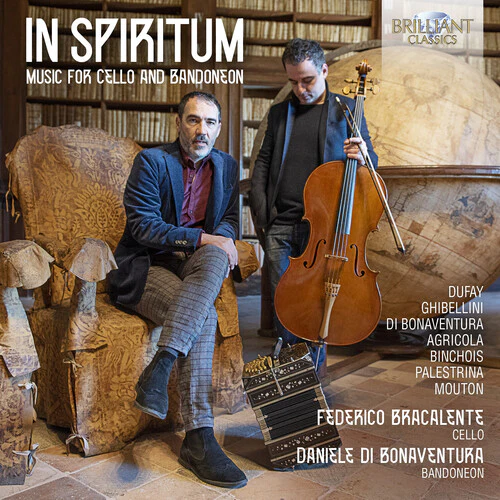
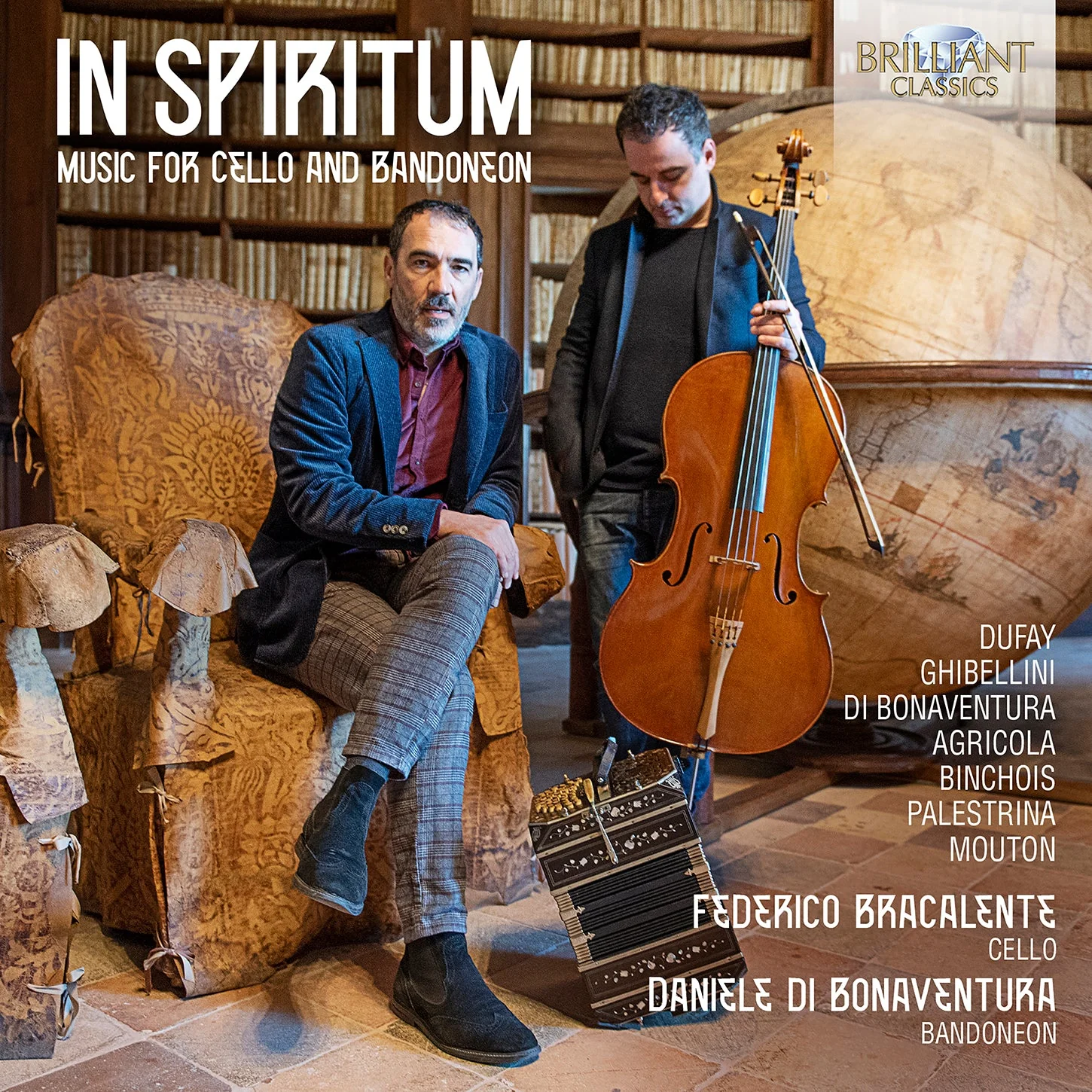
| This recording, from friends and collaborators Federico Bracalente and Daniele di Bonaventura, stems from an idea they had almost 10 years ago: to merge the sounds of their respective instruments, the cello and the bandoneon, into a single sound. After a long period of research and experimentation the artists settled on the polyphonic vocal repertoire of the 15th and 16th centuries to realise their vision, reworking it through the inclusion of free and improvised parts. The practice of improvising pieces to alternate with other writings was commonplace during this musical period. Tinctoris in ‘Liber de arte contrapuncti’ describes the custom of Cantare super librum - the ability of the performers to elaborate a counterpoint to the mind. Taking advantage of the vocal characteristics of the two instruments – the extensive range and singing likeness of the cello and the two liturgical registers of the bandoneon (left hand and right hand) – the artists perform this music as if they are three singers, inserting it into a new tonal instrumental framework. In two pieces, Bracalente and di Bonaventura use an overdubbing technique to enable the cello to simultaneously perform the parts of Superius and Bassus (in Alexander Agricola’s De tous biens plaine II) and create a polyphonically more complex fabric in Jean Mouton's 8-voice motet Nesciens Mater. |
$14.99
Dufay, Mouton, Palestrina: In Spiritum: Music for Cello and Bandoneon / Bracalente, Bonaventura—
$14.99
More Images
Dufay, Mouton, Palestrina: In Spiritum: Music for Cello and Bandoneon / Bracalente, Bonaventura
| This recording, from friends and collaborators Federico Bracalente and Daniele di Bonaventura, stems from an idea they had almost 10 years ago: to merge the sounds of their respective instruments, the cello and the bandoneon, into a single sound. After a long period of research and experimentation the artists settled on the polyphonic vocal repertoire of the 15th and 16th centuries to realise their vision, reworking it through the inclusion of free and improvised parts. The practice of improvising pieces to alternate with other writings was commonplace during this musical period. Tinctoris in ‘Liber de arte contrapuncti’ describes the custom of Cantare super librum - the ability of the performers to elaborate a counterpoint to the mind. Taking advantage of the vocal characteristics of the two instruments – the extensive range and singing likeness of the cello and the two liturgical registers of the bandoneon (left hand and right hand) – the artists perform this music as if they are three singers, inserting it into a new tonal instrumental framework. In two pieces, Bracalente and di Bonaventura use an overdubbing technique to enable the cello to simultaneously perform the parts of Superius and Bassus (in Alexander Agricola’s De tous biens plaine II) and create a polyphonically more complex fabric in Jean Mouton's 8-voice motet Nesciens Mater. |
Product Information
Product Information
Shipping & Returns
Shipping & Returns
Description
| This recording, from friends and collaborators Federico Bracalente and Daniele di Bonaventura, stems from an idea they had almost 10 years ago: to merge the sounds of their respective instruments, the cello and the bandoneon, into a single sound. After a long period of research and experimentation the artists settled on the polyphonic vocal repertoire of the 15th and 16th centuries to realise their vision, reworking it through the inclusion of free and improvised parts. The practice of improvising pieces to alternate with other writings was commonplace during this musical period. Tinctoris in ‘Liber de arte contrapuncti’ describes the custom of Cantare super librum - the ability of the performers to elaborate a counterpoint to the mind. Taking advantage of the vocal characteristics of the two instruments – the extensive range and singing likeness of the cello and the two liturgical registers of the bandoneon (left hand and right hand) – the artists perform this music as if they are three singers, inserting it into a new tonal instrumental framework. In two pieces, Bracalente and di Bonaventura use an overdubbing technique to enable the cello to simultaneously perform the parts of Superius and Bassus (in Alexander Agricola’s De tous biens plaine II) and create a polyphonically more complex fabric in Jean Mouton's 8-voice motet Nesciens Mater. |