Ligeti: Complete Piano Etudes / Han Chen
György Ligeti’s Études redefined the piano’s tonal possibilities and are considered one of his major creative achievements, as well as being one of the most significant sets of piano studies of the 20th century. They inevitably draw on influences from the past such as Chopin and Debussy, but avoid any sense of eclecticism. Ligeti’s often spectacularly virtuoso use of complex rhythms and geometric patterns proceeds from simple core ideas to create music that is ‘neither “avant-garde” nor “traditional”, neither tonal nor atonal’, and always backed by that glint of humour in the composer’s eye.
More Images
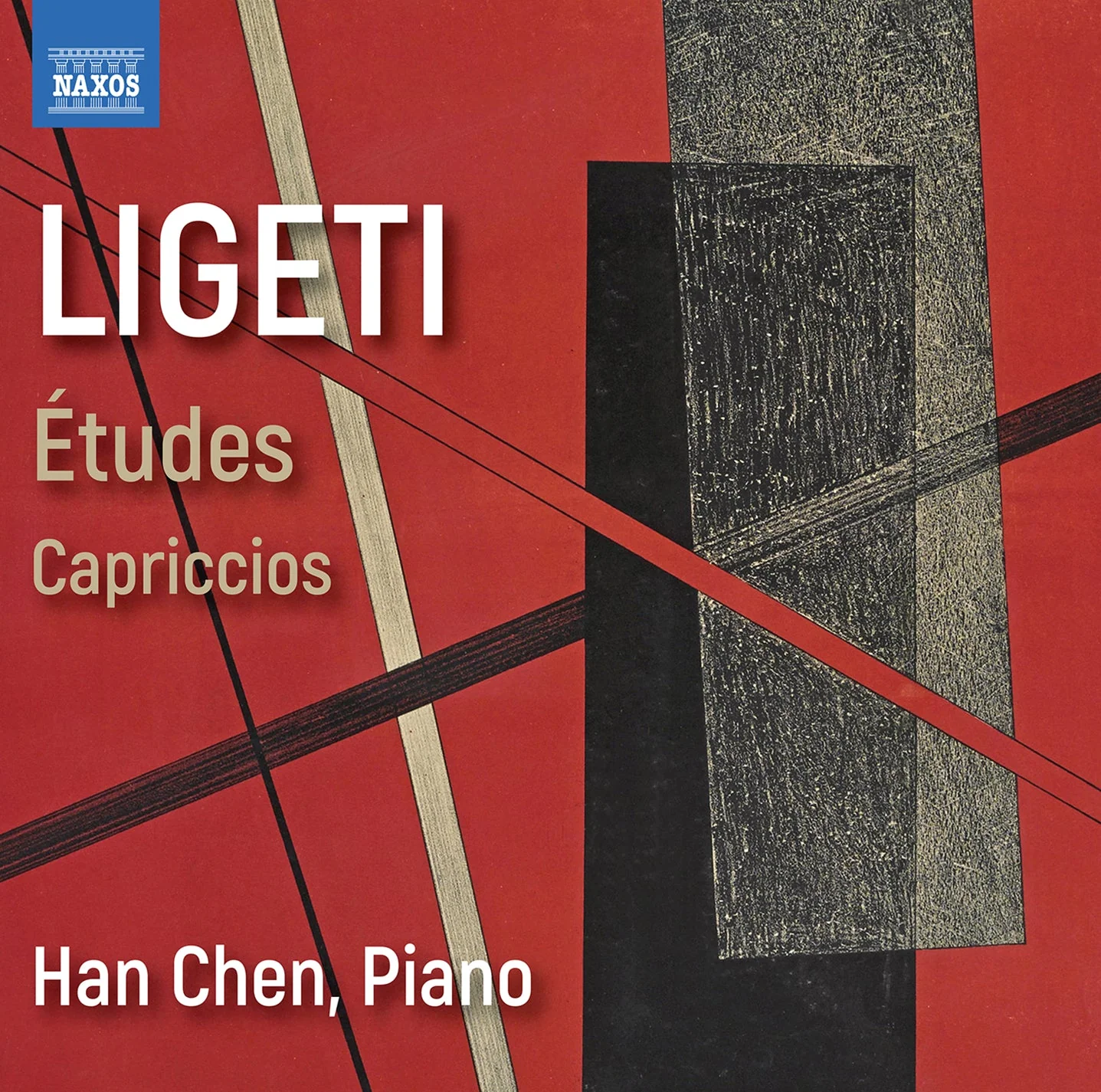
Ligeti: Complete Piano Etudes / Han Chen
György Ligeti’s Études redefined the piano’s tonal possibilities and are considered one of his major creative achievements, as well as being one of the most significant sets of piano studies of the 20th century. They inevitably draw on influences from the past such as Chopin and Debussy, but avoid any sense of eclecticism. Ligeti’s often spectacularly virtuoso use of complex rhythms and geometric patterns proceeds from simple core ideas to create music that is ‘neither “avant-garde” nor “traditional”, neither tonal nor atonal’, and always backed by that glint of humour in the composer’s eye.
Product Information
Product Information
Shipping & Returns
Shipping & Returns
Description
György Ligeti’s Études redefined the piano’s tonal possibilities and are considered one of his major creative achievements, as well as being one of the most significant sets of piano studies of the 20th century. They inevitably draw on influences from the past such as Chopin and Debussy, but avoid any sense of eclecticism. Ligeti’s often spectacularly virtuoso use of complex rhythms and geometric patterns proceeds from simple core ideas to create music that is ‘neither “avant-garde” nor “traditional”, neither tonal nor atonal’, and always backed by that glint of humour in the composer’s eye.