✨ New Arrivals Just Dropped!Explore

Lully: Grand Motets, Vol. 2 / Fuget, Les Epopées
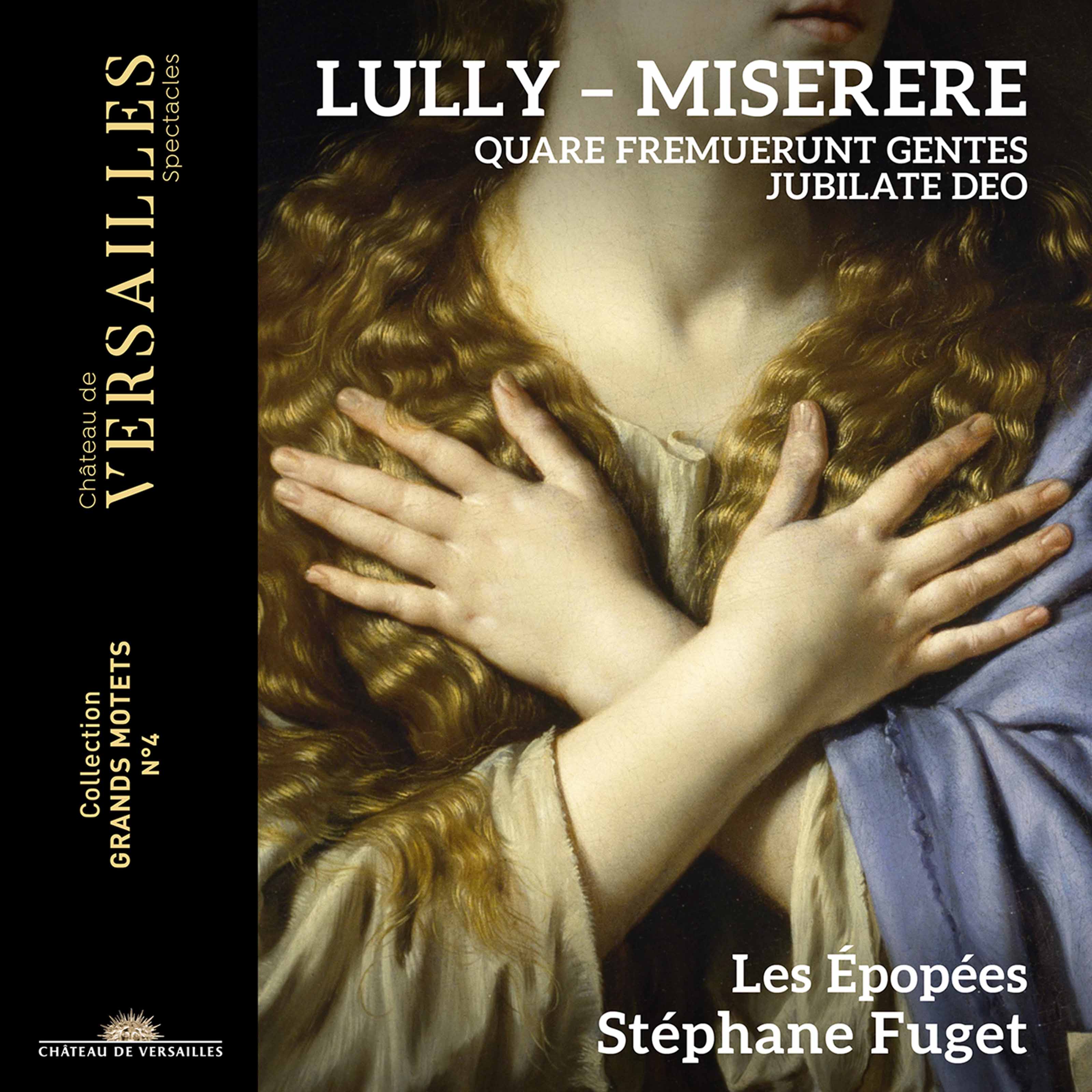
Here are assembled three Grands Motets by Lully, associated with key moments in the reign of Louis XIV. In 1660, the Jubilate Deo celebrating the La Paix des Pyrénées and the king's wedding, erupts in unheard of proportions, that no other composer in France had produced before, and with breathtaking modernity. The music is triumphant, with a French-style overture worthy of future operas, grand theatrical narratives and choruses alternating between plenitude and exaltation: the celebratory motet was thus born with dazzling panache. The Quare fremuerunt gentes, even more dramatic, celebrated la Paix de Ratisbonne (the Peace of Regensburg) in 1685 with powerful operatic accents. Finally, the Miserere (1664) is the most famous French motet of the 17th century. Played in 1672 for the funeral service of Chancellor Séguier, it brought tears to Madame de Sévigné's eyes: "I don't believe there is any other music in heaven." Stéphane Fuget and his ensemble Les Epopées pursue their grace-filled cycle.
$7.35
Original: $20.99
-65%Lully: Grand Motets, Vol. 2 / Fuget, Les Epopées—
$20.99
$7.35More Images
Lully: Grand Motets, Vol. 2 / Fuget, Les Epopées
Here are assembled three Grands Motets by Lully, associated with key moments in the reign of Louis XIV. In 1660, the Jubilate Deo celebrating the La Paix des Pyrénées and the king's wedding, erupts in unheard of proportions, that no other composer in France had produced before, and with breathtaking modernity. The music is triumphant, with a French-style overture worthy of future operas, grand theatrical narratives and choruses alternating between plenitude and exaltation: the celebratory motet was thus born with dazzling panache. The Quare fremuerunt gentes, even more dramatic, celebrated la Paix de Ratisbonne (the Peace of Regensburg) in 1685 with powerful operatic accents. Finally, the Miserere (1664) is the most famous French motet of the 17th century. Played in 1672 for the funeral service of Chancellor Séguier, it brought tears to Madame de Sévigné's eyes: "I don't believe there is any other music in heaven." Stéphane Fuget and his ensemble Les Epopées pursue their grace-filled cycle.
Product Information
Product Information
Shipping & Returns
Shipping & Returns
Description
Here are assembled three Grands Motets by Lully, associated with key moments in the reign of Louis XIV. In 1660, the Jubilate Deo celebrating the La Paix des Pyrénées and the king's wedding, erupts in unheard of proportions, that no other composer in France had produced before, and with breathtaking modernity. The music is triumphant, with a French-style overture worthy of future operas, grand theatrical narratives and choruses alternating between plenitude and exaltation: the celebratory motet was thus born with dazzling panache. The Quare fremuerunt gentes, even more dramatic, celebrated la Paix de Ratisbonne (the Peace of Regensburg) in 1685 with powerful operatic accents. Finally, the Miserere (1664) is the most famous French motet of the 17th century. Played in 1672 for the funeral service of Chancellor Séguier, it brought tears to Madame de Sévigné's eyes: "I don't believe there is any other music in heaven." Stéphane Fuget and his ensemble Les Epopées pursue their grace-filled cycle.


